

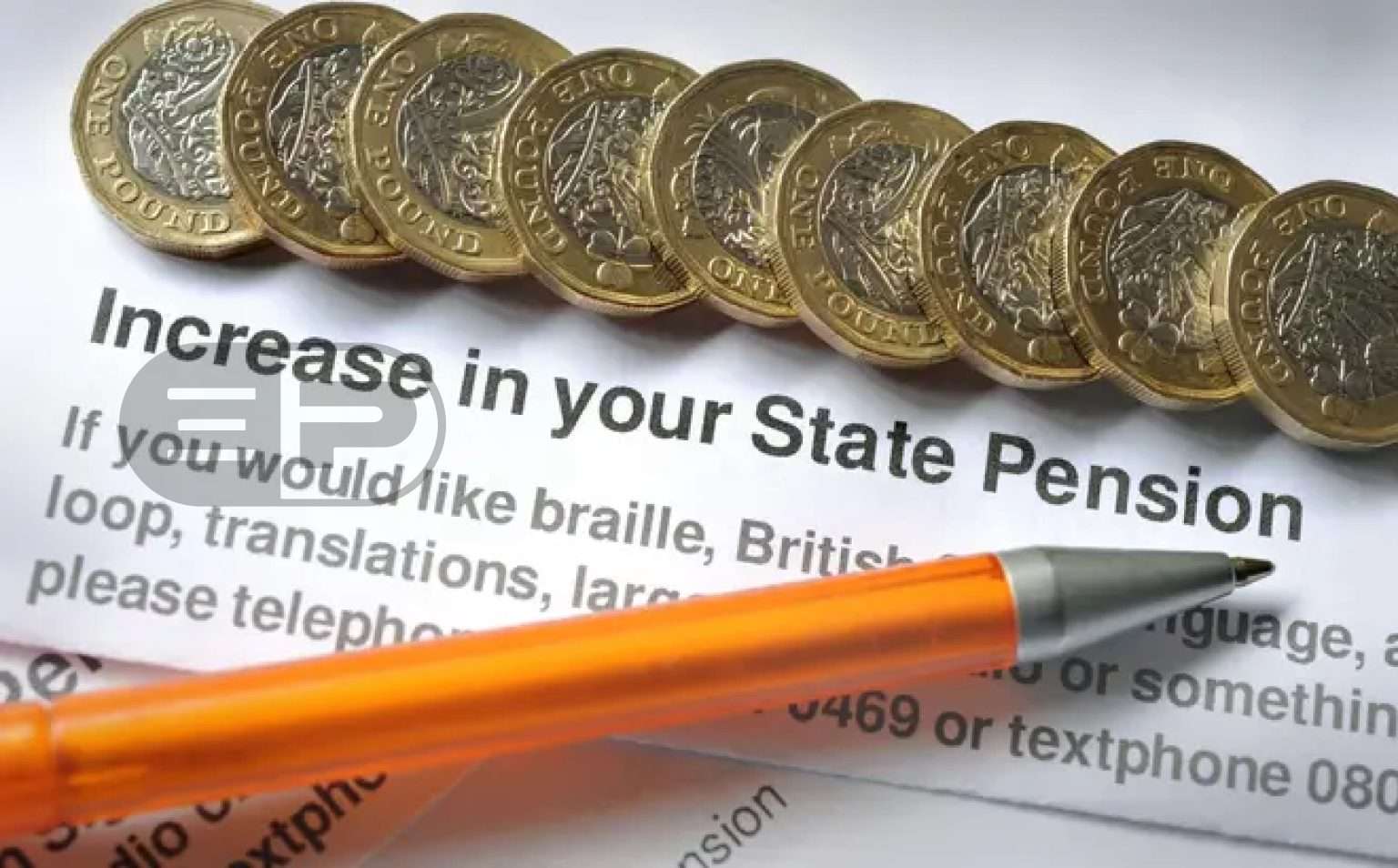
More than 12 million pensioners in the United Kingdom are set to benefit from a significant boost to their State Pension payments, with annual increases worth up to £575 coming into effect this April.
What’s Changing?
From Monday 6 April 2026, both the basic State Pension and the new State Pension will rise by 4.8 % under the government’s Triple Lock guarantee — an arrangement that ensures pensions increase each year by the highest of:
- inflation,
- average wage growth, or
- 2.5 %.
As a result of this year’s uprating:
- The new State Pension will go from £230.25 to £241.30 per week.
- The full basic State Pension will increase from £176.45 to £184.90 per week.
For many pensioners, this amounts to up to £575 more over the year — an important increase amid ongoing cost-of-living pressures.
What Is the Triple Lock?
The Triple Lock is a long-standing UK policy designed to protect pensioners’ incomes. Each April, State Pension rates go up by whichever is highest among wage growth, inflation, or a minimum of 2.5 %.
This system means that pensions generally rise faster than prices or earnings would alone, helping retirees keep pace with the cost of living — especially in times of economic uncertainty.
Why It Matters Now
This year’s 4.8 % rise was set largely by average earnings growth, which outpaced inflation and the minimum guaranteed increase. The government says the rise will help pensioners cope with rising household costs, including food, energy, and other essentials.
Work and Pensions Secretary Pat McFadden emphasized that the government remains committed to protecting retirement incomes, saying higher pension payments are a key part of supporting older people after a lifetime of work.
Additional Support and Criticism
Alongside the pension increase, other benefits such as Pension Credit are also being uprated, offering further support to low-income pensioners.
However, some economists and think-tanks, including the Institute for Fiscal Studies, have questioned the long-term sustainability of the Triple Lock, warning that it places growing pressure on public finances as the UK’s population ages.
Meanwhile, parts of the political landscape — including parties like Reform UK — continue to back retaining the policy, arguing it remains crucial to protect pensioners’ living standards.
What Pensioners Will Receive
For many retirees, the impact will be felt directly in their weekly and annual incomes:
- A pensioner receiving the full new State Pension will now get £241.30 per week, equating to approximately £12,548 per year — before tax.
- Those on the basic State Pension will see weekly payments of £184.90, or around £9,615 annually.
Looking Ahead
The UK government’s commitment to the Triple Lock means the State Pension is scheduled to continue increasing each year under the same rules, unless future policy changes. While it offers valuable protection for pensioners’ incomes, debates around its long-term affordability and the need for pension reform are likely to continue.