In recent months, the far-right Alternative für Deutschland (AfD) has been making headlines across Germany by climbing steadily in public opinion polls. Once considered a fringe party on the margins of German politics, the AfD is now emerging as one of the most competitive political forces in the country — adding pressure on mainstream parties and reshaping the national political landscape.
Poll Numbers Show a Shift in Voter Support
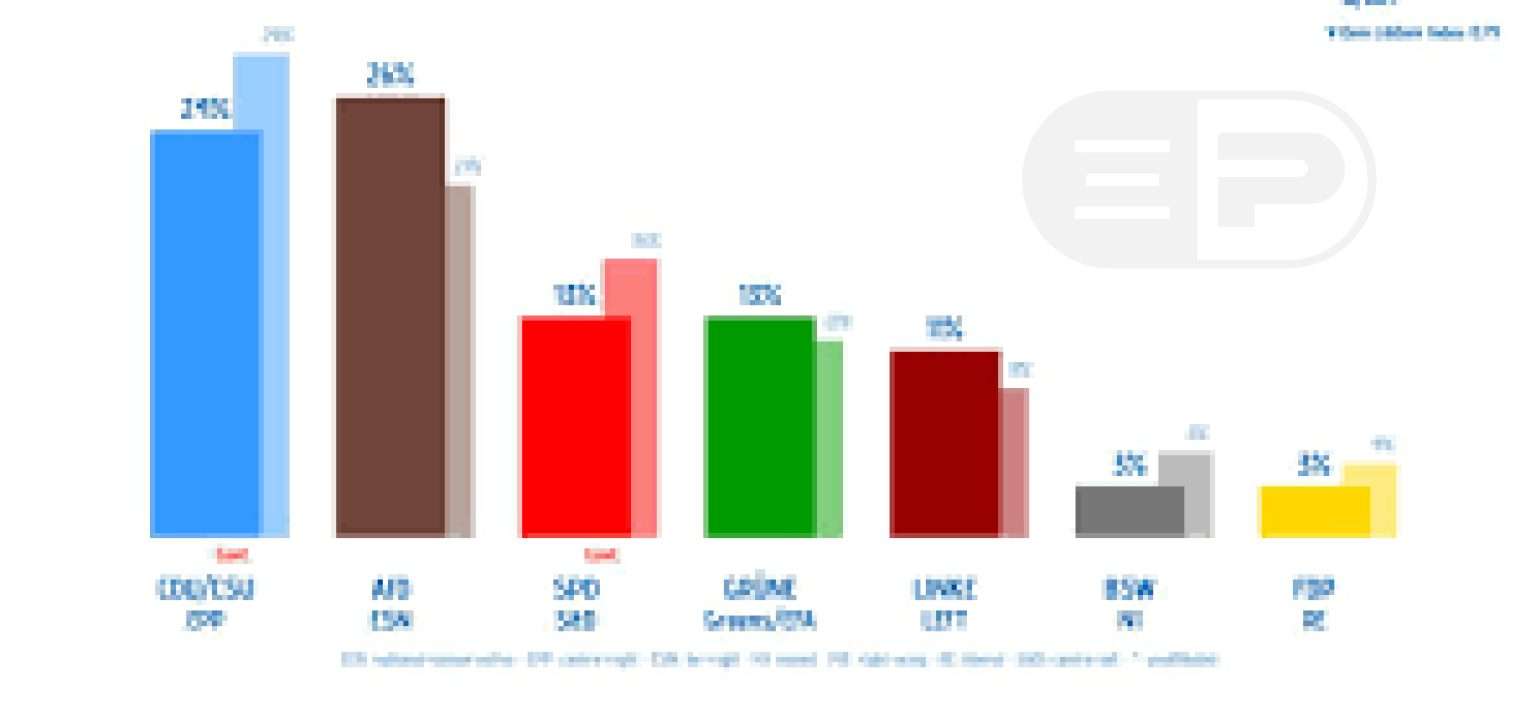
According to recent polling data, the AfD is polling at roughly 26 % nationwide, putting it ahead of the traditionally dominant CDU/CSU and making it the most popular party in some surveys.
- In the Insa “Sonntagstrend” poll, the AfD maintained around 26 %, while CDU/CSU dropped to 25 % and the SPD sank to about 13 %. Smaller parties like the Greens and the Left also trailed behind.
- Regional trends show the AfD performing especially strongly in parts of eastern Germany, with support topping 30 % in states like Saxony and Saxony-Anhalt in some surveys.
These figures mark a significant change in Germany’s political balance, where centrist and center-right parties have dominated for decades.
Why Is the AfD Gaining Support?
Political analysts point to several factors contributing to the AfD’s rise:
1. Voter Dissatisfaction With the Government
Discontent with the current federal government’s performance — particularly on issues like economic policy, energy prices, and migration — has eroded support for traditional parties. This has created an opening for alternative voices that present themselves as challengers to the political establishment.
2. Strong Performance in Regional Elections
The AfD has also capitalized on regional elections, such as in Baden-Württemberg and Rhineland-Palatinate, where it significantly increased its vote share compared with previous elections. In some areas it more than doubled its share, signaling growing support beyond its traditional eastern strongholds.
3. Effective Messaging on Key Issues
The party’s rhetoric on topics like immigration, security, and economic hardship — especially in the context of rising fuel and energy costs — resonates with voters who feel abandoned by mainstream parties. Recent reporting notes the AfD has even advocated revisiting energy ties with Russia as part of its strategy to counter high energy prices, a stance that has drawn both attention and controversy.
What the Polling Trend Could Mean
Pressure on Mainstream Parties
With the AfD now competitive with — and in some polls ahead of — the CDU/CSU and SPD, established parties may need to rethink their strategies if they hope to regain lost ground. Traditional political consensus in Germany is being tested as voter preferences shift.
Impact on Coalition Politics
If the trend continues, Germany’s future coalitions could look very different. Parties may find it harder to form stable majorities without negotiating with new partners or redefining policy platforms. The AfD’s strong showing challenges the conventional center-left/center-right balance in German politics.
Public Debate and Polarization
AfD’s rise also mirrors broader European trends where populist and right-wing parties gain traction amid economic anxieties and debates over national identity. This has spurred intense discussion about political polarization and the future direction of German society.
Conclusion
The AfD’s climb in German opinion polls marks a significant development in the country’s political landscape. With support around one quarter of voters in key surveys, the party has emerged as a major force capable of challenging long-standing political power structures. Its success underscores deeper shifts in voter sentiment — particularly dissatisfaction with the current government and a desire for new approaches to pressing issues.
As Germany prepares for upcoming elections, the evolving dynamics between the AfD, traditional parties, and emerging political forces will likely shape the nation’s political discourse going forward.